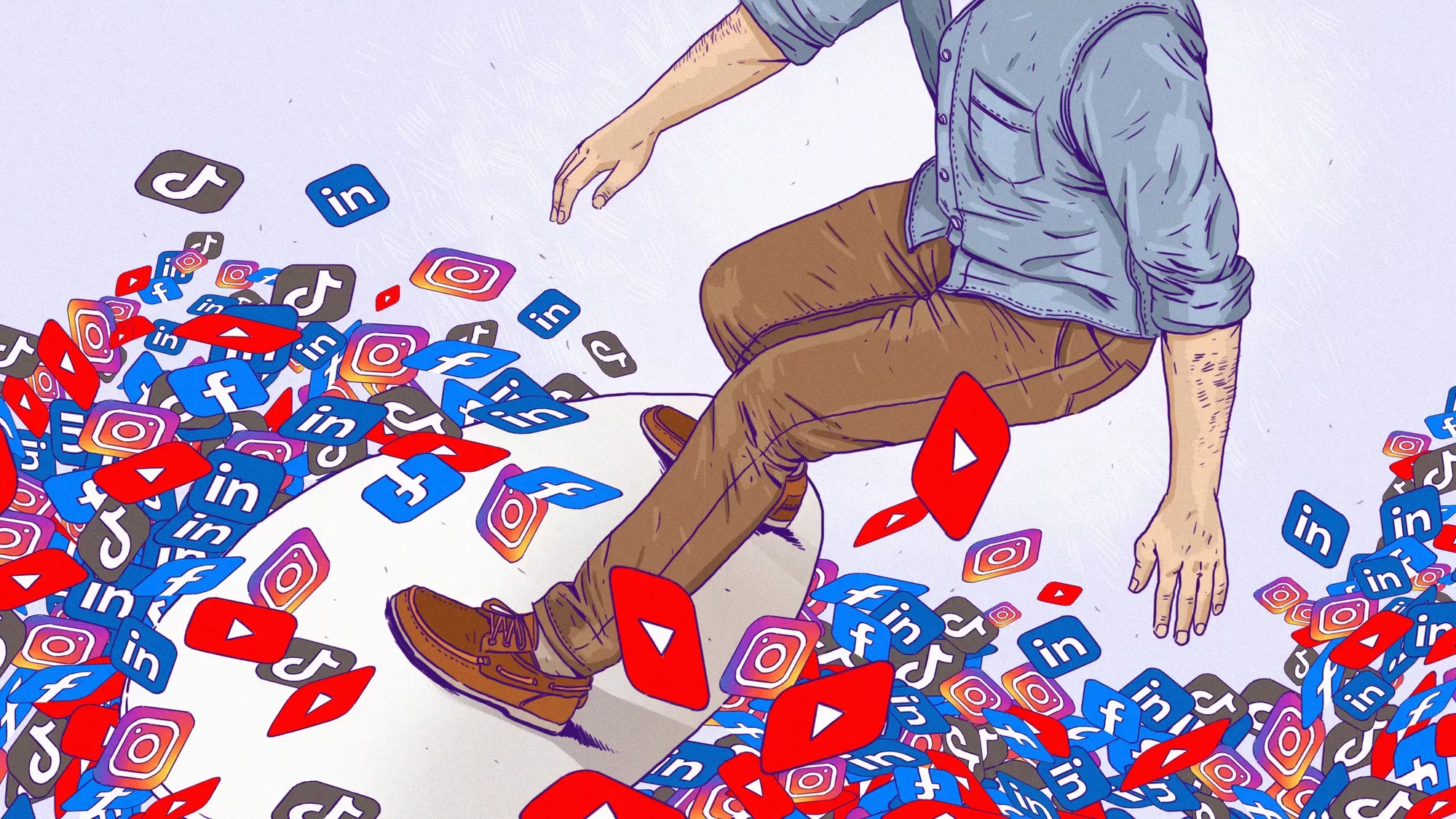
Viral trends can be a powerful way for brands to increase reach, engage new audiences, and make their content feel timely and culturally relevant. From trending TikTok hashtags like #fibermaxxing and #booktok to emerging formats, sounds, and memes, brands have more opportunities than ever to put their own spin on what people are already talking about.
However, it’s important to remember, there’s a difference between leveraging a trend and chasing a trend.
Leveraging a trend = utilizing a trend that authentically aligns with your brand and drives ROI | Chasing a trend = trying to force your brand into viral moments that don’t relate to your brand, audience, or products |
A healthy supplement brand, like Gruns, might naturally participate in the #fibermaxxing trend by highlighting the 6 grams of fiber in their Superfood Gummies product. BUILT could leverage a #proteinmaxxing hashtag to promote their Puff Protein Bars. Sephora may create some #skincaremaxxing content. When the connection feels natural, trend-based content can introduce a brand to new audiences and drive engagements or even revenue, while reinforcing what the brand stands for.
The problem comes when brands start “trendmaxxing” — forcing themselves into as many viral conversations as possible, regardless of whether it makes sense. For example, it wouldn’t make sense for the brands we mentioned above to hop on the #ootd (outfit of the day) trend, even though that’s a very popular hashtag; what does clothing have to do with Gruns, BUILT, or Sephora?
A trend that feels disconnected from a brand, its audience, or its products can come across as inauthentic, confuse consumers, or simply get ignored. Plus, it’s a waste of that company’s marketing resources. When brands consistently prioritize virality over strategy, their content can begin to feel like a collection of disconnected attempts to get attention rather than a cohesive brand presence, driving down sales and ROI.
Here, we explore both sides of trend-driven marketing: the benefits of tapping into viral content and the risks of relying on it too heavily. Ultimately, the goal isn't to avoid trends — it’s to know which trends are worth joining, when to join them, how to make them authentically your own, and most importantly, how to leverage trends to benefit your bottom line.
Relevance over virality
Viral trends aren’t inherently good or bad, but trend participation should be seen as a strategic tool, and like any tool, it works best when there’s an actual reason behind it. Let’s go back to our #fibermaxxing example. If you are active on TikTok, you have probably seen at least one video with this hashtag.
While a healthy food brand might have an obvious connection to this trend, it’s clearly not for everyone. And it shouldn’t be for everyone. While spotting a trend that can work, or be adjusted to work, for your brand is great, it can also go too far. The question boils down to: should your brand be participating in a trend just because it’s trending? Short answer: absolutely not.
Virality alone isn't a marketing strategy. It has to be part of the larger picture. What messaging, unique value proposition, or product are you trying to highlight? How will your target audience respond to this trend? It wouldn’t make sense for Ben & Jerry’s to hop on a #fibermaxxing trend. However, Jeni’s Ice Cream, a brand that is known for their unique ice cream flavors and is often loud and riskier with their marketing, could make this trend work for them: “#fibermaxxing is so last month, now, we’re all about #flavormaxxing.”
The benefits of trend-based marketing
Let’s talk positives. There are some legitimate benefits of trend-driven content.
- Increased Reach & Audience Discovery: Trending content is a great, cost-effective way to gain exposure beyond your existing followers and increase your audience size.
- Cultural Relevance: Trends allow brands to demonstrate that they're paying attention to what their audience cares about. They can help make a brand feel current and approachable, rather than corporate and disconnected.
- Creative Inspiration: Trends can give social teams a natural jumping-off point. Instead of constantly creating ideas from scratch, marketers can adapt an existing format to their brand, which saves a lot of time and therefore saves the company money.
- Low-Cost Experimentation: Trend-based content often needs to be timely and doesn’t last long, meaning it doesn’t necessarily require a major production budget, as opposed to expensive, long-term creative campaigns that can take months and easily cost thousands of dollars.
When #trendmaxxing goes too far
We know trend-based content can be successful, but it’s not without its risks. First of all, consumers are pretty good at recognizing when a brand is trying too hard to be relevant. If a trend doesn’t naturally align with your brand, forcing a connection can feel awkward, inauthentic, or even cringeworthy. Rather than making your brand feel current, it can have the opposite effect and make it clear that you’re simply chasing whatever is popular.
Secondly, just because a trend has millions of views doesn’t mean those millions of people are your potential customers. A business can spend time and resources creating content around a viral trend, only to reach an audience with little, or no, interest in its products or services.
Lastly, there is the brand itself — if every post is built around the latest meme, sound, or hashtag, what does your brand actually stand for? Can you build any brand awareness? Maybe flightingly, but ultimately, a brand that stands for everything stands for nothing, and disappears into our overcrowded digital landscapes.
ROI & the Bottom Line: Is Trend-Driven Content Actually Worth the Investment?
At the end of the day, we are all asking the same question: Did we see a positive ROI? Trend-driven content is no different. While views, likes, shares, and follower growth can be exciting, they don't necessarily translate into revenue. And it’s important to remember that virality does not equal action.
This is where a strategic approach to trend-based content becomes not only important but essential. Rather than measuring success solely by how many people saw a video, brands should consider metrics that connect trend participation to broader business objectives. Measuring leads or purchases, customer acquisition cost, and return on ad spend are crucial for identifying if something is helping or simply just wasting your time.
Ultimately, the ROI of trend-driven marketing comes down to relevance and execution. The goal isn't just to ‘go viral’. It's to create content that reaches the right people, reinforces the brand messaging, and moves audience members closer to becoming customers.
Going viral is great. But leveraging a viral trend that increases reach and turns that brand awareness into revenue — now we’re cooking with gas 😏